Upholstery Cleaning Tips for Southbury Road Residents
If your sofa has started to look a bit tired, or the dining chairs are carrying the ghosts of last Sunday's roast, you are not alone. Upholstery cleaning tips for Southbury Road residents matter because everyday life in a busy London home can be hard on fabric, leather, and mixed-fibre furniture. Dust, pet hair, food spills, damp shoes, and the general hum of family life all leave a mark. The good news? With the right routine, you can keep upholstery looking fresher for longer without making expensive mistakes.
This guide walks you through practical, realistic ways to care for your furniture at home, when to stop and call in professional help, and how to avoid the little errors that often turn a small mark into a permanent one. It is written for real homes, real mess, and real schedules. No fuss, no nonsense.
Why Upholstery Cleaning Tips for Southbury Road Residents Matters
Upholstery is one of those things you barely notice until it starts looking grubby. Then suddenly you see every smudge, flattened fibre, and faint ring left behind by a mug or glass. For Southbury Road residents, that tends to happen quickly because fabric furniture picks up the daily traffic of family life, pets, commuting clothes, rainy-day moisture, and whatever the week has thrown at you. To be fair, that is just normal living.
Regular care matters for more than appearance. It helps reduce odours, keeps dust and allergens from building up in fibres, and can slow down wear. It also makes your home feel cleaner overall. If you have ever walked into a room and noticed that the sofa somehow makes the whole place feel a little stale, you will know what I mean.
There is also a practical reason to stay on top of things: once a stain settles deep into padding or the wrong cleaner is used, the repair job becomes much harder. The first five minutes after a spill are often the difference between a quick tidy-up and a lasting mark. That is why simple, sensible habits are worth more than heroics later.
Expert summary: The best upholstery care is usually not dramatic. It is steady vacuuming, fast blotting, correct spot treatment, and knowing when a fabric needs a gentler touch than you expected.
How Upholstery Cleaning Tips for Southbury Road Residents Works
At a basic level, upholstery cleaning is about removing soil without damaging the fabric, stuffing, dye, or finish. That sounds simple, but the method changes depending on the material. Cotton blends, synthetic fabrics, velvet, wool mixes, leather, and performance fabrics all behave differently. Some tolerate light moisture. Others hate it. Some need pH-balanced cleaners. Others should barely be touched beyond vacuuming and a specialist product.
In practice, the process usually involves five steps: identifying the fabric, removing loose dirt, treating spots carefully, cleaning the surface in a controlled way, and drying it properly. The drying part is not glamorous, but it matters. If upholstery stays damp too long, it can develop a musty smell or even water marks. Nobody wants that on a Tuesday afternoon.
If you are unsure how a piece should be treated, look for the care label underneath cushions or on the frame. Those labels are not thrilling reading, but they do save money. A quick check can tell you whether water-based cleaning is suitable or whether you need a solvent-based approach or professional upholstery cleaning support such as specialist upholstery care.
It also helps to remember that upholstery cleaning is not just one thing. Sofa cleaning, armchair cleaning, dining chair care, curtain cleaning, and even pet stain and odour removal all overlap a bit in method, but the details matter. A decent result comes from matching the cleaner to the fabric, not from scrubbing harder. Harder is rarely better. Usually messier, actually.
Key Benefits and Practical Advantages
The obvious benefit is a cleaner-looking room. But the real value goes beyond first impressions. Here are the advantages residents tend to notice most after they begin caring for upholstery properly:
- Longer furniture life: dirt acts like sandpaper inside fibres, so regular cleaning helps slow wear.
- Better indoor freshness: upholstery absorbs cooking smells, pet odours, and everyday household odours more than people realise.
- Fewer permanent stains: the faster you treat a spill, the more likely it is to come out cleanly.
- Improved comfort: a clean sofa feels more inviting, and yes, that matters on a tired evening.
- Healthier-feeling home environment: less dust build-up on seating can make a room feel more comfortable, especially if you are sensitive to allergens.
There is another practical advantage people often miss: regular maintenance makes professional cleaning easier and more effective when you need it. A piece that has been lightly cared for is usually much simpler to restore than one that has been left to build up a year's worth of grime.
If your upholstery is part of a larger home refresh, it can also make sense to pair it with other services. For example, some households book sofa cleaning alongside rug cleaning or curtain cleaning so the whole room feels properly reset. That joined-up approach usually makes more visual difference than cleaning one item in isolation.
Who This Is For and When It Makes Sense
These tips are useful for almost anyone with upholstered furniture, but some households will benefit more than others. If you have children, pets, frequent guests, or a home office where the same chair gets used all day, your furniture will naturally collect more marks and soil. Southbury Road homes with ground-floor access or high foot traffic may also see more dust and outdoor debris brought in.
It makes particular sense to pay attention if you notice any of the following:
- faint darkening on armrests or headrests
- spills that keep reappearing after drying
- a musty or stale smell on soft furnishings
- pet hair clinging to fabric despite vacuuming
- flattened areas where cushions are used most often
- ring marks after DIY spot cleaning
People sometimes wait until the sofa looks visibly dirty before acting. That is understandable, but not ideal. A better rhythm is light maintenance weekly, quick stain response as needed, and deeper cleaning on a sensible schedule based on use. If the furniture is in a family living room, that may be more often than you think.
For landlords, letting agents, or small business owners using upholstered seating, the standards are a little different. Presentation matters, but so does consistency. In those cases, checking commercial carpet cleaning and related upkeep services can help you understand the level of finish expected in shared or client-facing spaces.
Step-by-Step Guidance
Here is a practical, no-drama approach to cleaning upholstery at home. It works best when you follow the steps in order rather than jumping straight in with a spray bottle and optimism.
- Check the care label. Look for cleaning codes or fabric instructions. If the label says the item is only for dry cleaning or professional care, do not improvise.
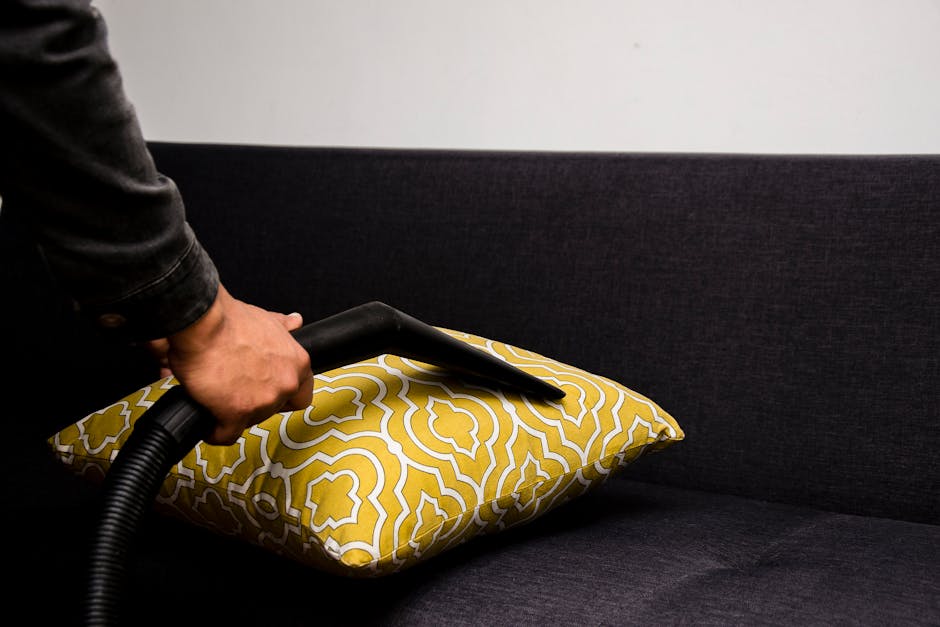
- Vacuum thoroughly. Use an upholstery attachment to remove crumbs, grit, lint, and pet hair. Get into seams, around buttons, and under cushions if possible.
- Test any cleaner first. Try it on a hidden area and wait for it to dry. This is dull but essential.
- Blot spills immediately. Use a clean white cloth or paper towel. Press gently. Do not rub. Rubbing spreads the stain and roughs up the fibres.
- Use a suitable cleaning solution. Apply a small amount to the cloth, not directly onto the fabric, unless the product instructions clearly say otherwise.
- Work from the outside in. That helps prevent the stain from spreading into a larger halo.
- Remove residue. Lightly dab with a cloth dampened with clean water if the fabric can tolerate it. Leftover cleaner can attract dirt later.
- Dry properly. Open a window, use airflow, and keep the room ventilated. If cushions are removable, prop them safely so air can move around them.
For routine care, a simple weekly vacuum and a quick once-over with a lint roller or soft brush can make a surprising difference. It is not glamorous. It is effective.
If the stain is oily, protein-based, or has already set, do not keep adding water and hoping for the best. That is where professional stain removal can save the day. The right treatment depends on the material, the age of the mark, and whether previous cleaning has already altered the fabric.
Expert Tips for Better Results
There are a few small habits that make upholstery cleaning noticeably better. They are simple, but they separate a decent result from a disappointing one.
- Use white cloths rather than coloured ones. Dyes from a towel can transfer to pale fabric. A classic little trap.
- Don't saturate the fabric. Upholstery often has backing and filling that hold moisture. A little liquid goes a long way.
- Rotate cushions regularly. This helps spread wear and stop one seat from getting obviously more tired than the others.
- Deal with odours at source. Sprays may cover a smell for an hour or two, but they do not solve the cause.
- Keep pets off damp fabric. Wet upholstery is an invitation for paw prints. They always find it.
- Use gentle brushing for nap fabrics. Velvet and similar textures can be marked by aggressive scrubbing.
A useful rule of thumb: if you are applying more pressure than you would use to wipe condensation from a window, you are probably pushing too hard. Truth be told, most upholstery damage during DIY cleaning comes from impatience, not from the original stain.
If you are weighing up a deeper refresh, ask whether the furniture would benefit from a broader household clean too. A lot of people book upholstery alongside carpet cleaning because the room simply looks more balanced afterwards. Clean seating with grubby carpet borders? It can look a bit odd, to be fair.
Common Mistakes to Avoid
Some mistakes are so common they deserve to be called out directly. You do not need to make life harder for yourself.
- Rubbing stains in circles. This spreads the mark and can damage the pile.
- Using too much detergent. Residue makes fabric attract dirt faster.
- Ignoring fabric codes. A cleaner that works on one material may ruin another.
- Using heat to dry too quickly. Hairdryers and heaters can set stains or distort fibres.
- Cleaning the whole sofa with one method. Different zones may need different handling, especially if there are mixed materials.
- Letting spills sit "until later". Later is nearly always worse.
One especially frustrating mistake is testing the cleaner only after the stain has already been attacked. By then, the damage may be done. If you can spare two minutes at the start, you save yourself a lot of second-guessing later.
Another small but important point: avoid over-wetting seams, piping, and wooden or metal trim. Those edges can hold moisture and leave tide marks or rust spots if you are careless. A little restraint goes a long way.
Tools, Resources and Recommendations
You do not need a van full of equipment to care for upholstery at home. A few sensible tools are usually enough for maintenance and light spot treatment.
| Tool or product | Best use | Why it helps |
|---|---|---|
| Vacuum with upholstery attachment | Weekly dust and debris removal | Reaches seams and prevents grit from grinding into fibres |
| Soft brush | Refreshing nap and lifting light soil | Gentle enough for many fabrics when used carefully |
| White microfibre cloths | Blotting and applying cleaner | Reduces the risk of dye transfer |
| Fabric-safe spot cleaner | Small marks and fresh spills | Useful when matched correctly to the material |
| Lint roller | Pet hair and loose fibres | Quick and surprisingly useful between deeper cleans |
For bigger jobs, a proper professional clean may be the more sensible choice. If you are comparing options, it helps to look at service detail, safety, insurance, and pricing transparency rather than choosing on price alone. You can review pricing and quotes before deciding, and it is always worth checking insurance and safety as part of your shortlist.
People often ask whether steam cleaning is automatically the best option. Not always. It can work very well on suitable fabrics, but it is not the answer for every piece. The wiser move is to match the method to the material. If in doubt, ask for guidance rather than guessing.
Law, Compliance, Standards, or Best Practice
For home upholstery cleaning, there is usually no special legal requirement to follow beyond ordinary product safety and sensible care. That said, best practice still matters, especially if you are using detergents, sprays, or equipment in a home with children, pets, or vulnerable people.
In the UK, it is sensible to follow manufacturer care labels, product instructions, and general health-and-safety guidance. If a cleaner says ventilate the room, do it. If a label says no water-based cleaning, respect that. This is not red tape for the sake of it; it is what protects the fabric and reduces avoidable risk.
Professional providers should also operate with appropriate care around equipment, chemicals, and waste water. If you are hiring help, it is reasonable to check their service terms and policies before booking. Pages such as terms and conditions and health and safety policy give you a sense of how a company approaches responsibility, while recycling and sustainability may be useful if you care about how wastewater and materials are managed.
Best practice also means being realistic about fabric limits. A worn cushion or a faded patch will not always look perfect after cleaning. That is normal. The goal is improvement, freshness, and preservation - not a magic wand. Sometimes a very good result looks like "much better" rather than "brand new", and that is fine.
Options, Methods, or Comparison Table
Different cleaning approaches suit different situations. Here is a straightforward comparison to help you choose.
| Method | Best for | Pros | Watch out for |
|---|---|---|---|
| Vacuuming and dry brushing | Routine maintenance | Fast, low risk, good for dust and crumbs | Won't remove deep stains |
| Hand spot cleaning | Fresh stains and small marks | Targeted and cost-effective | Can spread stains if overdone |
| Steam or hot water extraction | Suitable fabric with deeper soiling | Can lift embedded dirt effectively | Not suitable for every material; drying time matters |
| Professional upholstery cleaning | Delicate fabrics, heavy soil, odours, and large items | Better fabric matching, safer on difficult jobs | Cost is higher than DIY, but often justified |
If you are unsure which route to take, a professional clean is often the safer decision for valuable furniture or mixed-fabric pieces. It is especially sensible when the item is heavily used or when the stain has already resisted your first attempt. No shame in that. Furniture can be stubborn.
Case Study or Real-World Example
A Southbury Road family noticed that their two-seater sofa had developed a patchy look along one armrest and a faint smell near the cushions after months of snacks, tea, and a dog who liked to curl up after walks. They had already tried a supermarket spray and a bit of over-enthusiastic scrubbing. The result? A cleaner-looking patch in the middle and a slightly darker ring around it. Classic.
Instead of doing more of the same, they switched to a gentler approach. First, they vacuumed carefully, then they blotted the area with a white cloth, used a fabric-safe cleaner in small amounts, and let the sofa dry fully with windows open. The odour improved, the marking became less obvious, and the armrest looked far more even. It was not flawless - old marks rarely vanish completely - but the room felt fresher and the sofa was back to being something people actually wanted to sit on.
The useful lesson here is simple: more product does not mean better results. Better method does. And the earlier you deal with the issue, the easier the fix. That is the bit most people learn the hard way, usually after a cup of tea has gone sideways.
Practical Checklist
Use this quick checklist before, during, and after cleaning upholstered furniture.
- Identify the fabric type and care label
- Vacuum all surfaces, seams, and cushion gaps
- Test cleaners on a hidden area first
- Blot spills quickly rather than rubbing
- Use the smallest amount of cleaner needed
- Avoid soaking seams, trim, and padding
- Let the item dry fully before normal use
- Rotate and plump cushions after cleaning
- Address odours at source, not just with fragrance
- Book professional help for delicate or stubborn cases
If you can tick most of those boxes, you are already ahead of the average household. Seriously. Most upholstery damage comes from skipping the boring steps.
Get a free quote today and see how much you can save.
Conclusion
Good upholstery care is not about chasing perfection. It is about staying ahead of dirt, treating spills calmly, and understanding that different fabrics need different approaches. For Southbury Road residents, that means building a simple routine that fits real life: vacuum regularly, blot quickly, use the right cleaner, and do not overwork the fabric.
When a piece needs more than home care can safely provide, choosing professional upholstery cleaning is often the most sensible next step. It protects your furniture, saves time, and can make the whole room feel brighter and better cared for. A clean sofa does not solve everything, obviously, but it does make evenings at home feel a bit more settled.
And in a busy home, that kind of calm is worth having.
Frequently Asked Questions
How often should Southbury Road residents clean upholstery?
Light maintenance such as vacuuming is best done weekly, especially on sofas and chairs used every day. Deeper cleaning depends on use, fabric type, pets, and whether spills happen often. A busy family sofa will usually need attention more often than a spare room chair.
What is the safest way to remove a fresh spill from upholstery?
Blot it immediately with a clean white cloth or paper towel. Press gently from the outside of the spill inward. Do not rub, because rubbing spreads the stain and can damage the fibres. Then use a fabric-appropriate cleaner only if the care label allows it.
Can I use washing-up liquid on my sofa?
Sometimes people do, but it is not always the best choice. Washing-up liquid can leave residue if used too generously, and residue attracts dirt. If you do use any detergent, keep it highly diluted and test it first. A fabric-safe upholstery cleaner is usually the safer option.
Is steam cleaning suitable for all upholstery?
No, it is not suitable for all upholstery. Some fabrics tolerate hot water extraction well, while others can shrink, watermark, or become distorted. Always check the care instructions first, and if the fabric is delicate or mixed, professional advice is the wiser route.
What causes that dark ring after cleaning a stain?
That ring often appears when too much liquid is used or when the stain is pushed outward during cleaning. It can also happen if the fabric dries unevenly. Working in small amounts, blotting rather than rubbing, and drying the area thoroughly helps reduce that risk.
How do I deal with pet odour in upholstered furniture?
Start by identifying the source. Surface sprays may mask the smell for a short time, but they do not remove the cause. Pet hair, dander, and accidents may need vacuuming, careful spot treatment, or specialist pet stain and odour removal if the smell has worked into the fabric or padding.
Should I clean the whole sofa or just the stain?
If the rest of the sofa is clean, spot treatment may be enough. But if the fabric has aged unevenly or the stain is large, a full clean can give a more even finish. This is especially useful on high-use family seating where the arms and headrests look noticeably more tired than the rest.
How long does upholstery take to dry?
Drying time varies depending on the cleaning method, fabric, airflow, and room temperature. Light hand cleaning may dry fairly quickly, while deeper cleaning can take several hours or longer. Good ventilation helps, and cushions should be allowed to dry completely before normal use.
What should I do if my upholstery label is missing?
If the label is missing, proceed cautiously. Start with vacuuming and minimal moisture on a hidden test area. If the fabric is valuable, delicate, or unknown, it is safer to ask a professional than to guess. Guessing is where most regrets begin, honestly.
How do I know when to call a professional cleaner?
Call a professional if the fabric is delicate, the stain is old or stubborn, the item smells musty, or you are worried about causing damage. It is also a sensible option when you need a better finish than DIY cleaning can realistically provide, or when the furniture is expensive.
Can upholstery cleaning help a whole room feel fresher?
Yes, very often it can. Sofas, chairs, and other soft furnishings hold on to dust and odours more than hard surfaces do. Once the upholstery is freshened up, the room often feels cleaner, lighter, and more comfortable without changing anything else.
What is the best long-term maintenance habit?
The best habit is simple: vacuum regularly, deal with spills immediately, and avoid over-wetting the fabric. That combination prevents most of the common problems people face. It is not complicated, just consistent - which, let's face it, is the tricky bit for most of us.